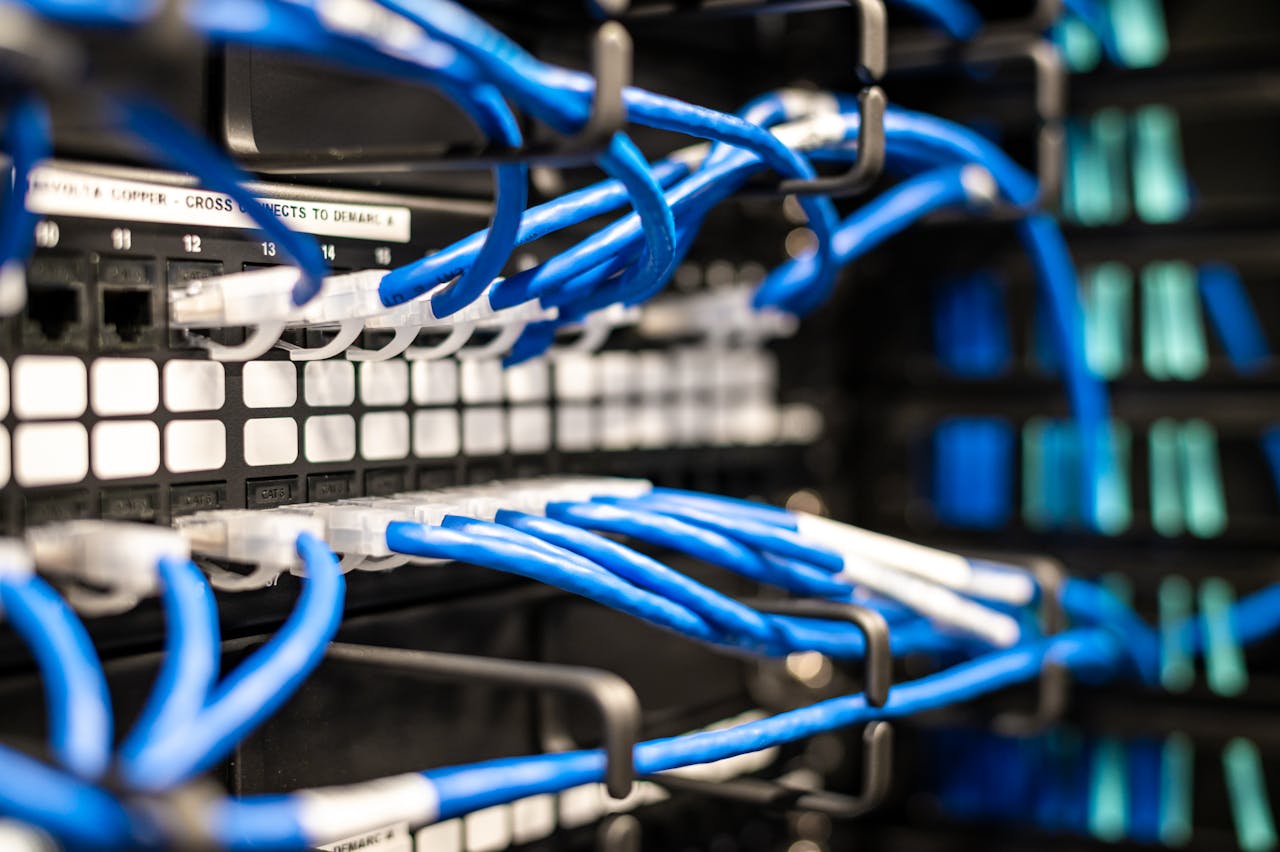
You’ve optimized servers, virtualized storage, and automated provisioning. Your data center is a marvel of modern efficiency—on paper. But what if a silent, pervasive drain on your profitability is hiding in plain sight, within the very fiber links that connect it all?
For too long, the economics of optical networking have been judged by one metric: the price per transceiver. This focus on upfront Capex is a dangerous oversimplification. The true cost, the one that relentlessly erodes your bottom line, is not on the purchase order. It’s the Hidden Operational Cost—a tax levied by uncertainty, instability, and underperformance in your optical layer.
The 5 Pillars of Hidden Cost: Where Your Profit Leaks Away
These costs don’t appear in a single invoice. They accumulate, quietly and persistently, across five key areas:
- The Cost of Unplanned Downtime: A single, marginal optical link in a spine-leaf architecture can trigger cascading failures. The result? Service disruptions, violated SLAs, and frantic, all-hands-on-deck recovery efforts. The hidden cost isn’t just the outage minute; it’s the long-term blow to customer trust and your brand’s reputation for reliability.
- The Engineering Productivity Tax: Your most valuable engineers shouldn’t be digital detectives. Yet, teams spend countless hours chasing intermittent “grey failures” and phantom performance issues rooted in substandard optics. This is a direct drain on innovation, redirecting strategic talent into a cycle of reactive troubleshooting.
- The Inventory Bloat Penalty: Lack of confidence in component longevity breeds fear. This fear materializes as over-procured spares, “just-in-case” stockpiles that tie up significant capital. The hidden cost is locked cash, storage overhead, and the risk of components becoming obsolete on your shelf.
- The CapEx Underutilization Trap: When link performance is uncertain, networks are run conservatively. You may have paid for 100G or 400G infrastructure, but are you using it fully? Many operators throttle performance or add unnecessary redundancy to compensate for optical reliability concerns, leading to a staggeringly poor return on invested capital.
- The Extended MTTR Multiplier: When a link fails, how long does restoration take? Lengthy diagnostics, sourcing delays from complex supply chains, and qualification hurdles all prolong the Mean Time to Repair (MTTR). Each extra minute of downtime multiplies the business impact.
From Hidden Cost to Deterministic Performance: A Strategic Shift
The solution isn’t buying cheaper modules. It’s eliminating the cost drivers entirely by eliminating uncertainty. This requires a shift from commoditized purchasing to strategic partnership for Deterministic Optical Performance.
Deterministic Performance means:
- Predictable Behavior: Optics that perform to spec not just in a lab, but in the unique thermal and EMI environment of your rack.
- Extended Reliability: Links that deliver stable performance over their entire lifespan, not just at deployment.
- Full Utilization Enablement: The confidence to run your network at its designed capacity, maximizing your CapEx ROI.
Take the 5-Minute TCO Audit: What’s Your Hidden Tax?
The first step is quantification. We’ve developed a Data Center Optical TCO Framework to help you model these hidden costs.
Visit our dedicated resource page here: www.tranxoptics.com/hidden-operational-costs-tco
On this page, you’ll find:
- A detailed Whitepaper on deconstructing optical TCO.
- An interactive TCO Estimator Tool to model your potential savings.
- Case studies on how leaders in colocation and cloud infrastructure achieved >20% reduction in overall network OpEx by addressing these hidden costs.
Stop budgeting for inefficiency. Start engineering it out.
Visit Tranxoptics today and explore how our commitment to deterministic performance can convert your optical layer from a cost center into a pillar of operational excellence.